Your best customer bought their first tub of protein three months ago. Then a second. Then a third. They are on a predictable 28-day reorder cycle, spending $85 per order, and they represent $1,000+ in annual revenue.
Last week, they went to reorder. The flavour they buy was out of stock. No notification. No back-in-stock alert that fired in time. They found a competitor, ordered from them, and you will never know they left — because Shopify has no concept of a customer who was about to reorder but did not.
This is the defining operational failure of supplement brands on Shopify. And it happens simultaneously across dozens of high-LTV customers every time a consumable SKU goes out of stock.
Why Supplement Inventory Is Different
Supplements are consumables. Unlike apparel or electronics, the same customer buys the same product repeatedly on a predictable cycle. This creates an operational dynamic that is fundamentally different from one-time purchase categories:
- Stockouts have compounding LTV damage — losing a supplement customer to a competitor is not a lost sale, it is a lost relationship worth $500–$2,000 annually
- Demand is predictable but volatile — new year, summer prep, and back-to-school create violent demand spikes that exhaust stock in days rather than weeks
- SKU complexity is underestimated — protein powder in 6 flavours, 3 sizes, and 2 formulas is 36 variants; each has an independent demand curve
- Batch traceability is a compliance requirement — not a nice-to-have; a recall without batch records means contacting every customer who ever bought the product
The Three Operational Gaps Shopify Cannot Fill
1.No days-of-stock signal at current velocity
Shopify shows you how many units are in stock. It does not show you how many days of stock remain at your current sales velocity.
For a supplement brand, the difference is critical. 200 units of vanilla protein sounds like plenty. At 15 units per day in January, it is 13 days of stock — and your next delivery is 18 days away. You are already 5 days short and your system is not telling you.
The fix is demand velocity intelligence: a system that calculates days-of-stock per SKU based on actual sales rate, compares it against your supplier lead time, and surfaces the gap before it becomes a stockout. For a supplement brand, this single signal prevents the majority of customer-facing availability failures.
2.High-LTV repeat buyers are invisible when they churn
Shopify's repeat purchase rate metric tells you the percentage of customers who have ordered more than once. It does not tell you which specific high-LTV customers are overdue a reorder right now — and therefore at risk of having found a competitor.
For a supplement brand, this is the highest-value intelligence gap in the business. A customer on a 28-day protein reorder cycle who has not ordered in 35 days is not a statistic — they are a specific person whose next action will either be reordering from you or permanently switching to a competitor.
The operational fix combines two signals: customer purchase cadence per SKU (how frequently does this customer buy this product) and current stock availability. A customer whose reorder window has passed and whose product is currently out of stock is your highest-priority retention risk. No other tool surfaces this combination at SKU level for an SMB supplement brand.
3.Batch traceability is absent from Shopify's architecture
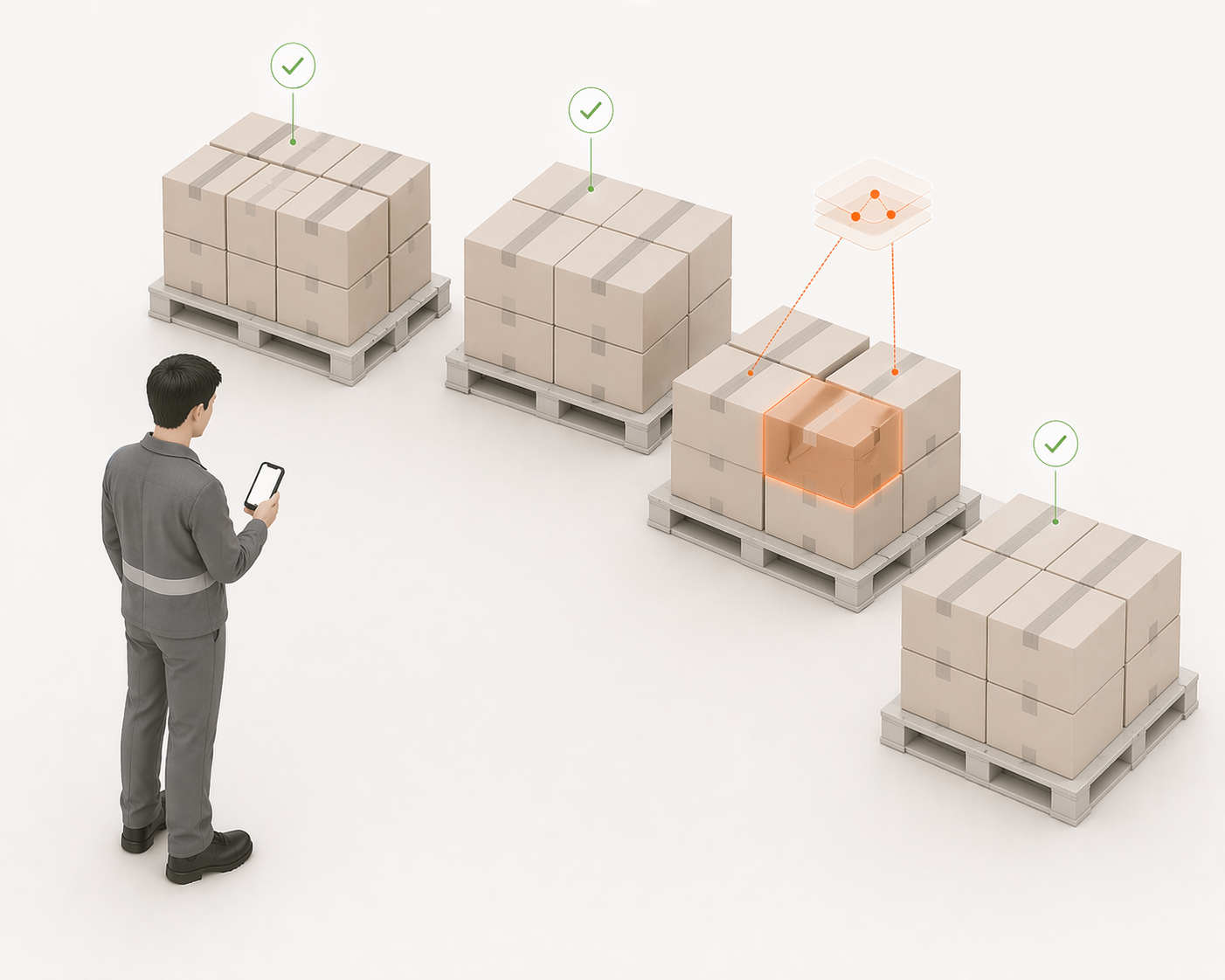
Supplement brands operate under a recall scenario that most other product categories do not face. A contamination issue, a labelling error, or a third-party testing failure on a specific production batch requires the ability to answer one question immediately: which customers received units from batch X and when.
Shopify's inventory model has no batch or lot tracking. Stock is stock — there is no architecture to record which batch a specific unit came from when it was received, and no link between received batches and outbound orders.
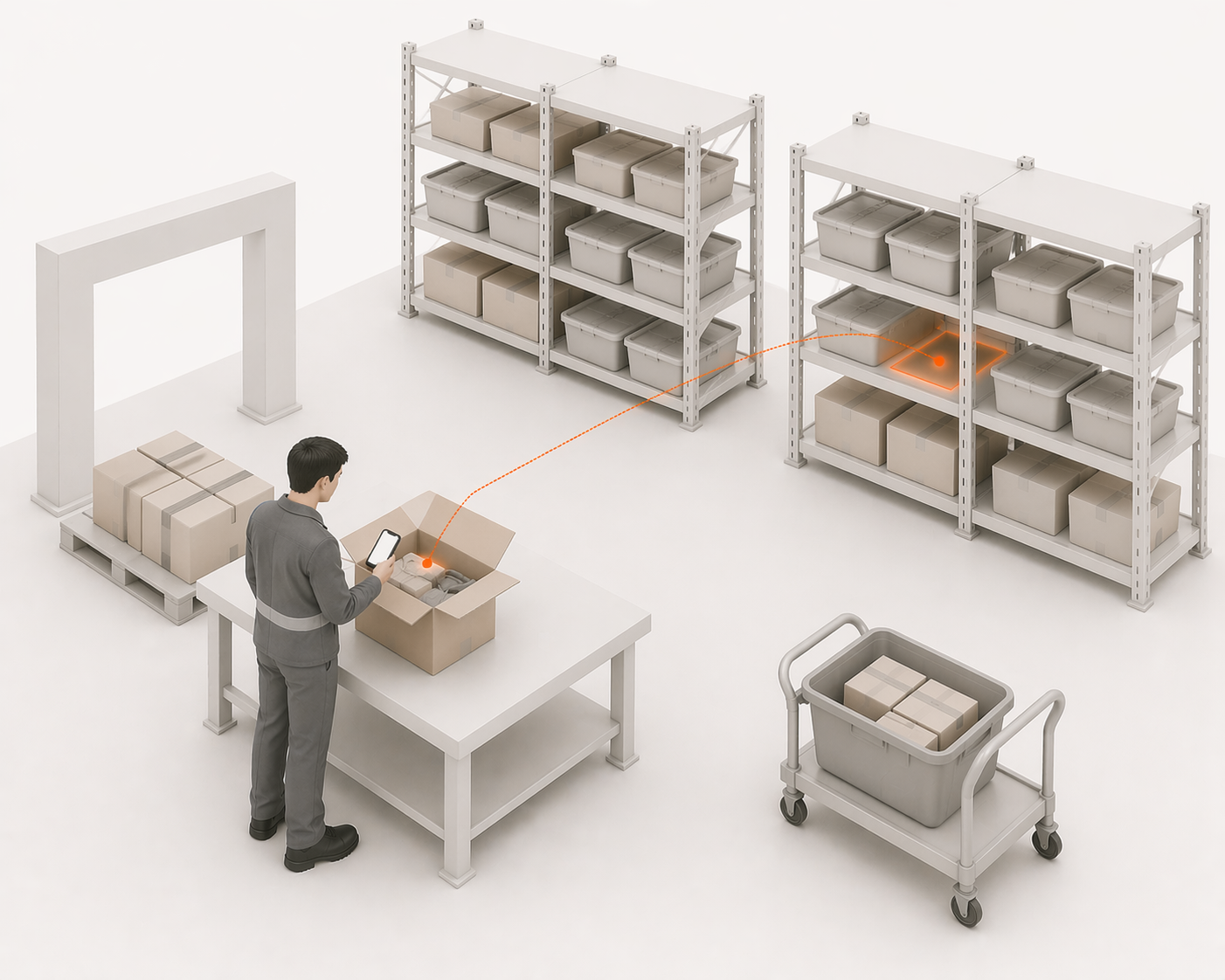
The operational fix is scan-to-receive against purchase orders with batch number capture. When a delivery arrives, each product is received into a specific batch record. When an order is picked, the batch of each unit is linked to that order. If a recall is issued, the affected customers are identified in seconds rather than requiring a full customer base notification.
This is not a theoretical risk. It is a compliance requirement for any supplement brand selling in regulated markets — and it is completely absent from Shopify's native toolset.
What Supplement Operations Intelligence Looks Like in Practice
For a supplement brand processing 80 orders per day across 120 active variants:
- Morning brief: which SKUs are below safety stock, which customers are overdue a reorder, which purchase orders are late from suppliers
- Velocity alerts: which flavours are selling 40% above forecast this week and will exhaust stock before the next delivery
- Batch dashboard: which batch is currently being picked for each SKU, and full traceability from PO receipt to order dispatch
- Supplier scorecard: which suppliers consistently deliver short, late, or with labelling discrepancies
The Supplement Inventory Audit: Where to Start
Before implementing any system, establish your current operational exposure:
- For your top 10 SKUs by revenue, calculate days-of-stock at current 30-day sales velocity
- Identify customers who have placed 3+ orders and have not ordered in more than 1.5× their average reorder interval
- Check whether your current warehouse process records batch numbers at receiving — if not, you have zero recall traceability today
- List every SKU that stocked out in the last 90 days and estimate the repeat-purchase revenue lost from customers who did not return
For most supplement brands, this audit reveals two things: several high-velocity SKUs within two weeks of a stockout, and a meaningful cohort of high-LTV customers who quietly churned after a stockout and never came back. Both are preventable with the right operational layer between your warehouse and Shopify — see where Shopify's native tools stop and that layer begins.
LaSyncro surfaces repeat-buy risk and days-of-stock signals — before your best customers switch brands.
Start free